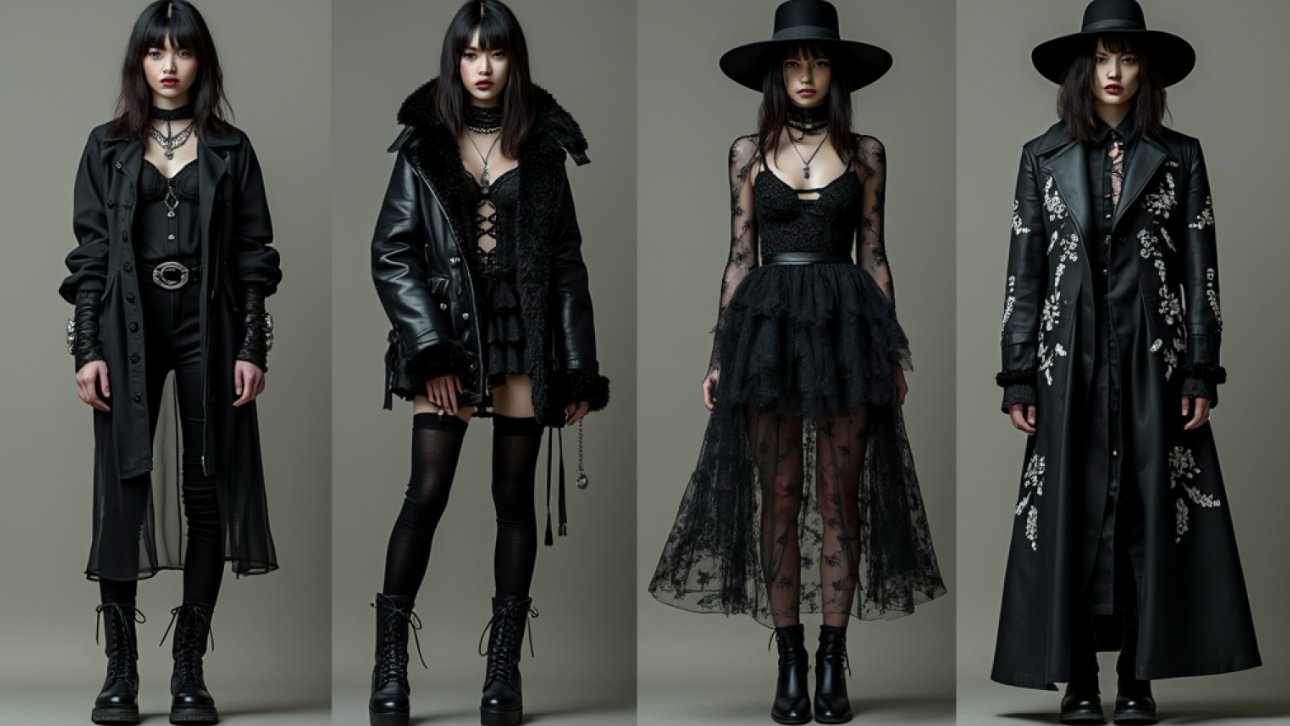
Gothic fashion has long stood on the edge of mainstream culture—misunderstood by some, deeply embraced by others. But beyond the black lace, dramatic silhouettes, and dark color palettes, there’s a deeper question worth exploring: is gothic fashion merely an aesthetic choice, or is it a meaningful form of identity and self-expression?
In today’s evolving fashion landscape, where individuality is celebrated more than ever, gothic style has found new relevance. Platforms like Devil Gothic are helping bring this once-subcultural look into wider visibility, making it more accessible to those drawn to its mysterious and elegant appeal.
Content
The Origins of Gothic Fashion
Gothic fashion traces its roots back to the late 1970s and early 1980s, emerging from the post-punk music scene. Bands and artists began experimenting with darker themes, both musically and visually. This gave rise to a distinct style characterized by:
Dark, often black clothing
Victorian and medieval influences
Lace, velvet, leather, and corsetry
Dramatic makeup and accessories
What started as a niche subculture quickly evolved into a global movement, influencing not only fashion but also art, literature, and lifestyle choices.
More Than Clothing: A Visual Language
For many, gothic fashion is not just about what they wear—it’s about what they communicate. It serves as a visual language that can express:
Individuality and independence
A fascination with history, mystery, or the macabre
Emotional depth or introspection
Rebellion against mainstream trends
Unlike fast fashion, which often prioritizes trends over meaning, gothic style tends to be more intentional. Each piece—whether a lace blouse or a structured skirt—can reflect a personal narrative.
The Modern Gothic Revival
In recent years, gothic fashion has experienced a resurgence. Social media platforms, alternative fashion communities, and online stores have made it easier than ever to explore this aesthetic.
Websites like https://devilgothic.com/ curate collections that blend traditional gothic elements with modern design. This allows newcomers to experiment with the style without needing deep knowledge of its history, while still offering long-time enthusiasts fresh inspiration.
Today’s gothic fashion is more versatile than ever. It ranges from:
Casual gothic streetwear
Romantic Victorian-inspired outfits
Punk and cyber-goth hybrids
Minimalist dark aesthetics
This diversity proves that gothic fashion is not static—it evolves with the people who wear it.
Breaking Misconceptions
Despite its growing popularity, gothic fashion is still surrounded by misconceptions. Some assume it is linked to negativity or rebellion in a destructive sense. In reality, many who embrace the style do so for creative and personal reasons.
Gothic fashion often celebrates:
Art and literature
Historical aesthetics
Emotional authenticity
Non-conformity in a positive, self-defined way
It’s less about rejecting society and more about choosing not to be limited by it.
Why People Are Drawn to Gothic Style
The appeal of gothic fashion varies from person to person, but common reasons include:
A desire to stand out from mainstream trends
Appreciation for intricate, timeless designs
A connection to darker or more introspective themes
The freedom to express identity without compromise
For some, wearing gothic fashion can feel empowering—like stepping into a version of themselves that feels more authentic.
So, Is It Just Fashion?
The answer isn’t simple. Gothic fashion is a style—but for many, it’s also much more than that.
It can be:
A creative outlet
A cultural identity
A form of storytelling through clothing
Whether someone adopts it fully or incorporates subtle elements into their wardrobe, gothic fashion offers a unique way to explore and express who they are.
Final Thoughts
As fashion continues to diversify, styles like gothic are no longer confined to the margins. They’re being recognized for their depth, artistry, and emotional resonance.
If you’re curious about exploring this aesthetic for yourself, platforms like Devil Gothic provide a starting point to discover pieces that align with your personal style.
In the end, gothic fashion asks an important question—not just about clothing, but about identity:
Are you dressing to fit in, or to express who you truly are?
Theresa Smith is an experienced fashion blogger. She has been blogging for nearly 10 years, and her blog posts are often featured in major publications. Her blog posts cover everything from the latest trends to tips on how to wear certain pieces of clothing. Theresa’s favorite style icons include Audrey Hepburn and Michelle Obama, who she cites as having great style.